
How Does CCaaS Work?
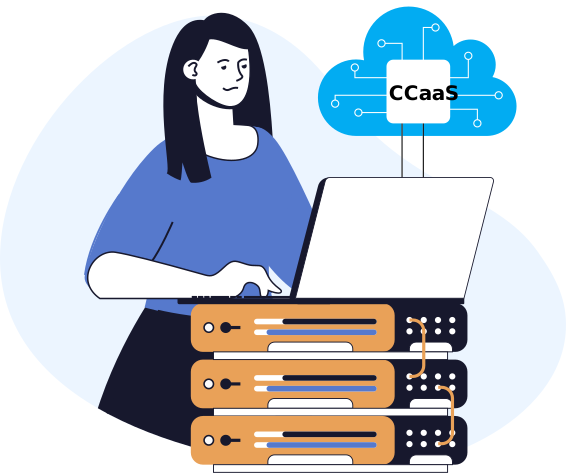
Today’s businesses constantly seek ways to enhance customer interactions while maintaining operational efficiency. Call Center as a Service (CCaaS) provides a modern solution that allows companies to manage their customer service operations in the cloud. Instead of relying on traditional, on-premises call center setups, CCaaS enables your business to operate flexibly, offering features like omnichannel support, real-time analytics, and seamless CRM integrations.
This cloud-based model allows your business to scale quickly, accommodate remote agents, and reduce costs while maintaining high levels of service. Understanding how CCaaS functions and the benefits it provides can transform the way companies approach customer service and engagement.
Robust call management solutions are vital for contact center companies. Whether managing lead generation, customer assistance, tier-one support, or large-scale outbound campaigns, having the right tools can make a significant difference. This article will provide insights into the CCaaS meaning and platforms designed to enhance these operations. We’ll also look at specific strategies businesses can implement to optimize their contact center performance and boost customer satisfaction based on the contact center and contact center as a service market.
What Is a Cloud Contact Center?
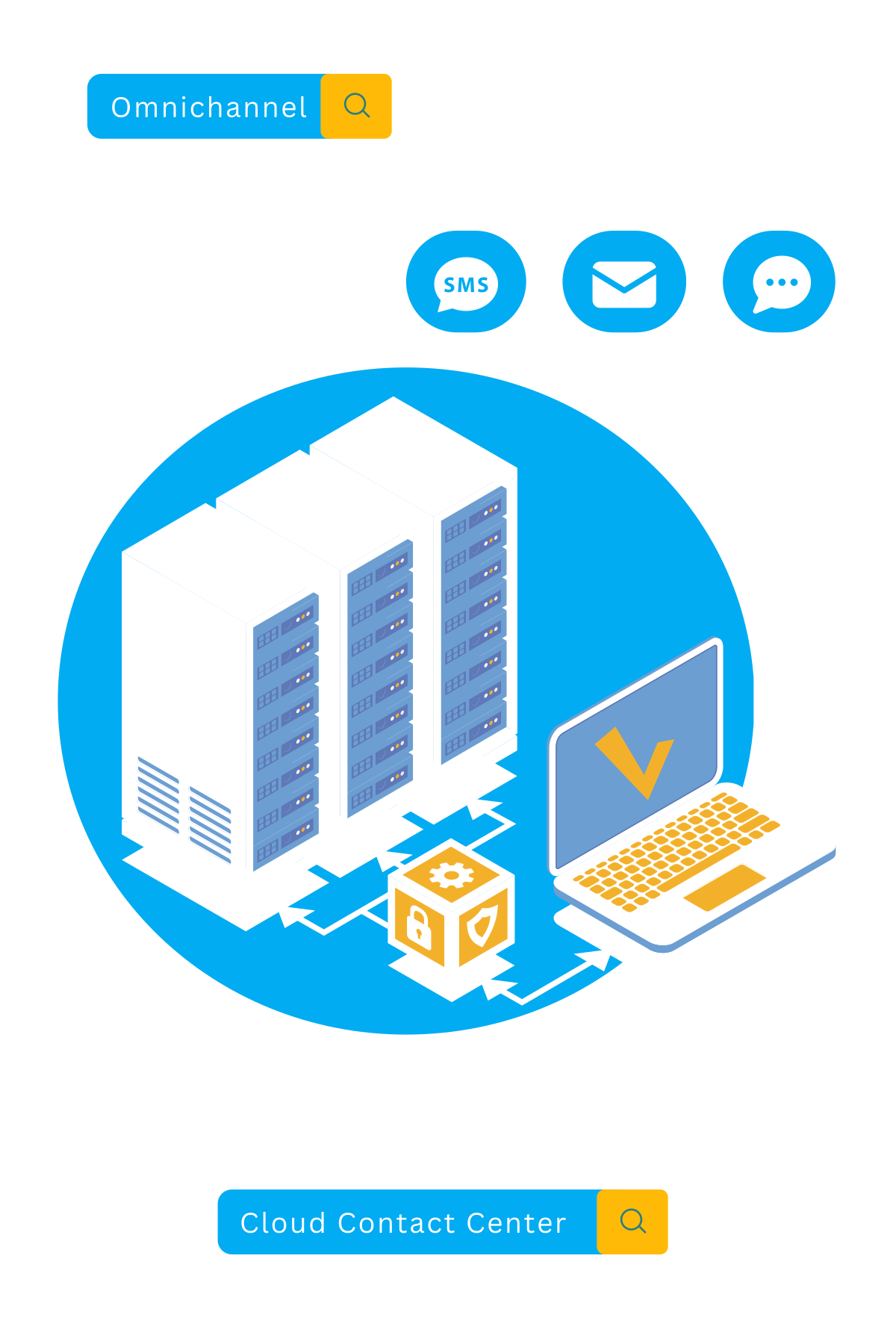
A cloud contact center (or call center) is a modern, internet-based platform that enables businesses to manage customer interactions without needing traditional, on-site infrastructure. By operating entirely in the cloud, these solutions handle all communication channels—phone, email, live chat, and more—within a single, centralized system. This solution eliminates the need for physical servers and hardware while offering unparalleled flexibility in managing customer service operations.
Contact Center as a Service (CCaaS) is the backbone of cloud contact centers—providing the tools and technologies needed to enhance performance and streamline operations. CCaaS platforms integrate seamlessly with cloud contact centers, enabling businesses to leverage intelligent call routing, workforce management, CRM integration, dynamic scripting, and real-time analytics. These features allow customer service teams to deliver highly personalized and efficient support by providing agents instant access to customer information and insights across all communication channels.
The integration of CCaaS into cloud contact centers offers unmatched scalability and adaptability. Businesses can quickly scale operations to meet changing customer demands, support remote agents, and introduce new features or channels easily. With advanced tools like automation, AI-drive chatbots, and predictive analytics, CCaaS ensures that cloud contact centers remain agile, cost-effective, and capable of delivering exceptional customer experiences in a competitive market.
With CCaaS, businesses can handle inbound and outbound calls, manage customer interactions across multiple channels (like SMS, email, and chat), and use advanced analytics to track performance. Since the service is hosted in the cloud, it can be accessed from anywhere, allowing remote teams and distributed contact centers to operate seamlessly. Additionally, CCaaS providers typically offer regular updates and new features, so businesses can always access the latest technology without the hassle of expensive upgrades.
Another key benefit of CCaaS is its scalability. Whether a business needs to scale up during peak seasons or down during slower periods, CCaaS makes it easy to adjust capacity without significant investment. This flexibility, combined with the cost savings of not managing physical infrastructure, makes CCaaS an attractive option for businesses of all sizes looking to improve their customer service operations.
How Does a Cloud Contact Center Work?
A cloud contact center is an interconnected system where advanced tools provided by a Contact Center as a Service provider drive seamless and efficient operations. Unlike traditional setups, which rely on separate systems and localized hardware, cloud contact centers operate within a unified digital framework that connects agents, customers, and data in real time. This approach allows businesses to create a more cohesive workflow that optimizes every aspect of customer interactions.
The key to this system is integrating the CCaaS platform and the cloud contact center environment. CCaaS enhances functionality by automating routine tasks like call distribution, data syncing, and inquiry handling. For example, incoming customer queries—whether through phone, email, chat, or other channels—are intelligently routed to the right agent based on customer needs, agent expertise, or priority level. These tools ensure that every interaction is handled efficiently, without delays or confusion arising from fragmented systems.
Cloud contact centers also benefit from CCaaS’s ability to provide a holistic view of operations. Supervisors and managers can access real-time performance data, track key metrics such as agent productivity and response times, and use predictive analytics to anticipate customer demand. These insights help fine-tune workflows and support proactive decision-making to improve customer service outcomes continuously. By seamlessly integrating CCaaS, cloud contact centers function as dynamic, data-driven ecosystems that balance efficiency, scalability, and customer satisfaction.
With CCaaS, you subscribe to a service that provides all the tools you need to manage customer calls, handle inquiries, and monitor performance. Instead of setting up physical phone systems and hardware, everything is managed through the internet. This accessibility to tools means your agents can take calls, respond to chats, and handle emails from anywhere, whether they’re in the office or working remotely.
Another critical aspect of CCaaS is that it provides access to advanced contact center features without requiring a significant upfront investment. Businesses pay a subscription fee to use the service, which typically includes features like call routing, automated menus, reporting tools, and integration with 5000+ apps (like Zapier and HubSpot). These features allow companies to offer a professional-level contact center experience without investing in expensive hardware or dedicating many resources to managing the system.
In addition to simplifying operations, CCaaS often includes analytics and reporting tools that help businesses monitor their contact center performance. This means you can track metrics like call volume, response times, and customer satisfaction, all through a user-friendly dashboard. Having these insights readily available lets you make informed decisions to improve your customer service and ensure that your contact center runs smoothly.
How Are Contact Centers Changing?
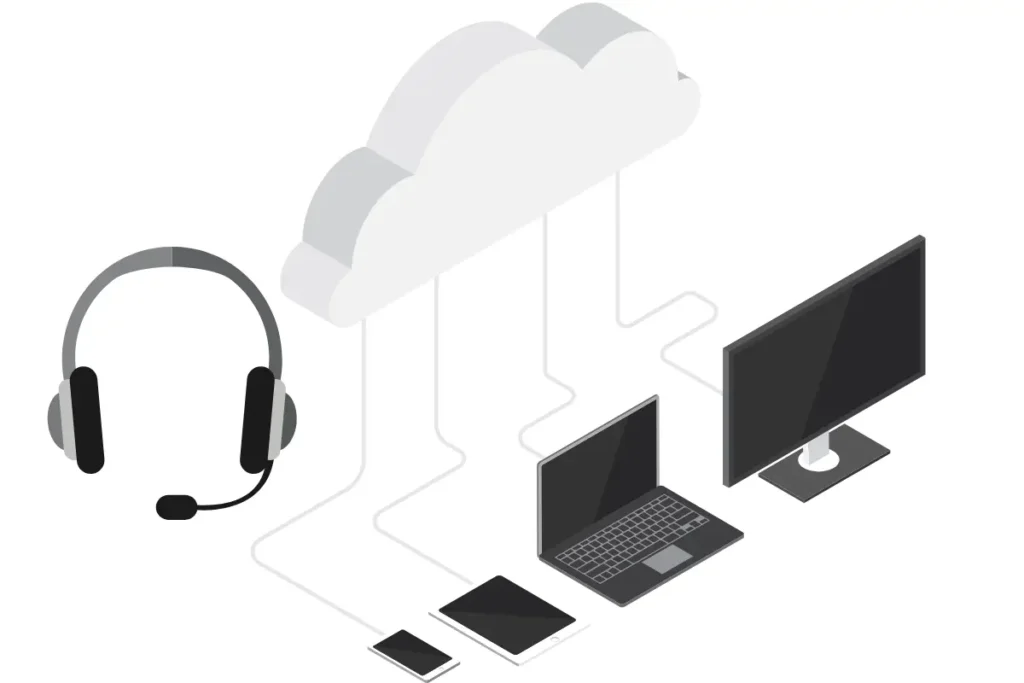
The evolution of technology is reshaping contact centers, turning them into dynamic, highly integrated hubs of customer interaction. The adoption of Contact Center as a Service is at the forefront of this transformation, which has shifted the industry from hardware-dependent, on-premises setups to flexible, cloud-based platforms. This change eliminates the need for physical infrastructure and introduces advanced capabilities that redefine how contact centers function.
CCaaS enables seamless integration of tools and communication channels, creating a cohesive environment where every aspect of customer engagement is interconnected. Features like automated workflows, powerful analytics, and omnichannel communication ensure that contact centers can handle complex customer demands efficiently.
Unlike traditional systems that operate in silos, CCaaS integrates with customer relationship management (CRM) platforms, workforce management tools, and even predictive analytics systems to deliver real-time insights. This interconnected approach allows businesses to adapt quickly to fluctuating demands and provide consistent, high-quality customer experiences.
Technology-driven changes in contact centers also focus heavily on enhancing agent performance and customer satisfaction. With features like sentiment analysis and real-time coaching, CCaaS empowers agents with actionable insights during customer interactions. Automation further supports this shift, taking over repetitive tasks like data entry or routing calls so agents can focus on resolving more nuanced customer issues.
These innovations, combined with the scalability and adaptability of cloud-based platforms, have transformed contact centers into agile operations capable of delivering highly personalized, efficient, and responsive customer service.
Contact Center as a Service (CCaaS) is the backbone of cloud contact centers—providing the tools and technologies needed to enhance performance and streamline operations. CCaaS platforms integrate seamlessly with cloud contact centers, enabling businesses to leverage intelligent call routing, workforce management, CRM integration, dynamic scripting, and real-time analytics. These features allow customer service teams to deliver highly personalized and efficient support by providing agents instant access to customer information and insights across all communication channels.
The integration of CCaaS into cloud contact centers offers unmatched scalability and adaptability. Businesses can quickly scale operations to meet changing customer demands, support remote agents, and introduce new features or channels easily. With advanced tools like automation, AI-drive chatbots, and predictive analytics, CCaaS ensures that cloud contact centers remain agile, cost-effective, and capable of delivering exceptional customer experiences in a competitive market.
With CCaaS, businesses can handle inbound and outbound calls, manage customer interactions across multiple channels (like SMS, email, and chat), and use advanced analytics to track performance. Since the service is hosted in the cloud, it can be accessed from anywhere, allowing remote teams and distributed contact centers to operate seamlessly. Additionally, CCaaS providers typically offer regular updates and new features, so businesses can always access the latest technology without the hassle of expensive upgrades.
Another key benefit of CCaaS is its scalability. Whether a business needs to scale up during peak seasons or down during slower periods, CCaaS makes it easy to adjust capacity without significant investment. This flexibility, combined with the cost savings of not managing physical infrastructure, makes CCaaS an attractive option for businesses of all sizes looking to improve their customer service operations.
What is a Cloud Call Center Solution?
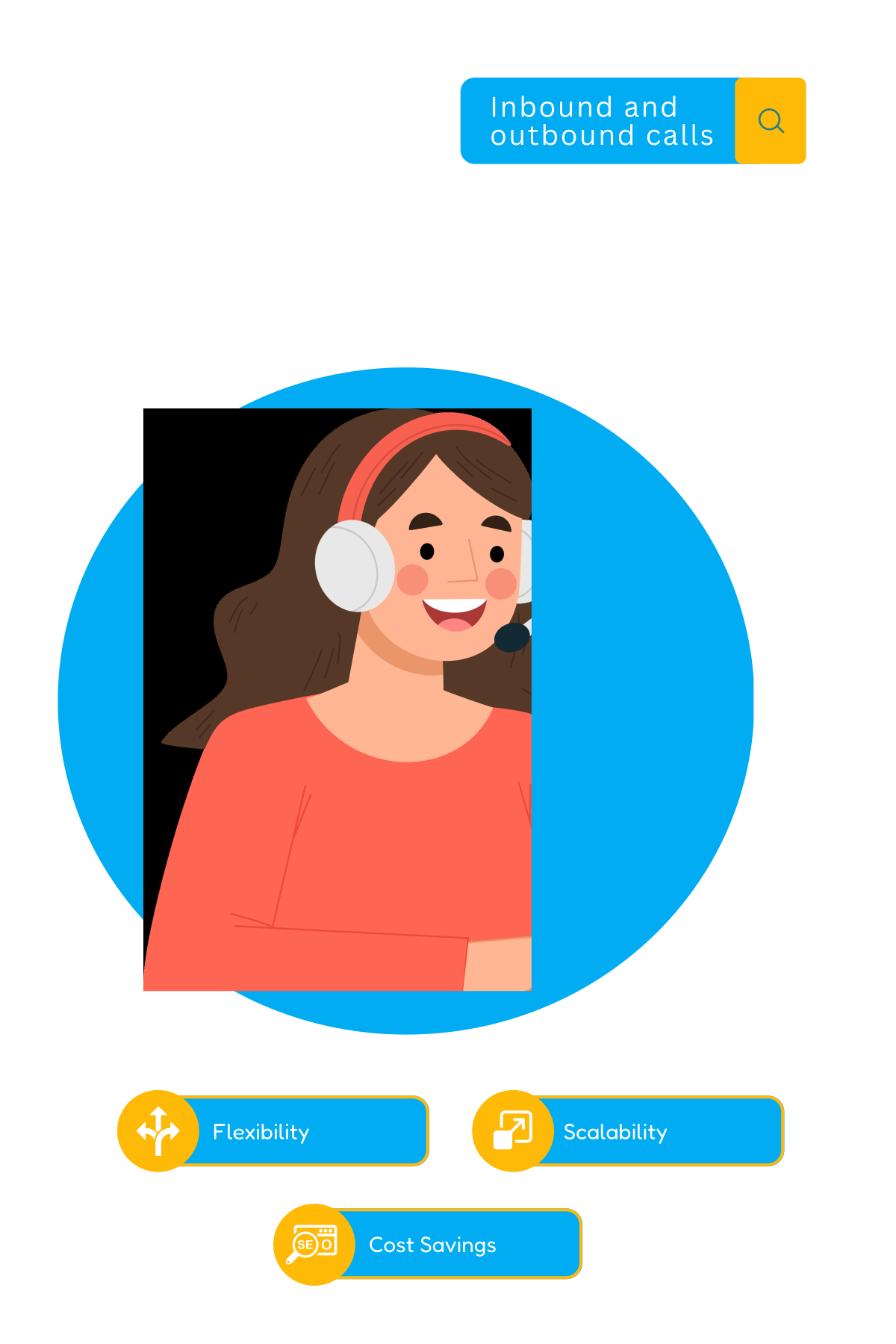
A cloud call center solution is a modern platform that allows your business to manage its customer service operations without needing physical infrastructure. Instead of relying on on-premises systems, all communication—whether through phone calls, emails, or live chats—is routed through the internet, making it accessible from anywhere. This solution allows your business to scale its operations seamlessly, add new agents, or introduce additional communication channels on demand while reducing the costs and complexities associated with maintaining hardware and IT infrastructure.
Beyond handling customer interactions, CCaaS solutions often include many tools designed to improve efficiency and customer satisfaction. These solutions offer intelligent call routing, CRM integration, real-time analytics, and workforce management tools, allowing agents to deliver personalized, efficient service.
Cloud call center solutions are also highly secure and compliant with industry regulations like HIPAA, offering encryption and data protection measures that safeguard sensitive information. A cloud call center solution allows your business to operate flexibly, improve customer experiences, and reduce operational overhead.
Contact Center as a Service (CCaaS) is the backbone of cloud contact centers—providing the tools and technologies needed to enhance performance and streamline operations. CCaaS platforms integrate seamlessly with cloud contact centers, enabling businesses to leverage intelligent call routing, workforce management, CRM integration, dynamic scripting, and real-time analytics. These features allow customer service teams to deliver highly personalized and efficient support by providing agents instant access to customer information and insights across all communication channels.
The integration of CCaaS into cloud contact centers offers unmatched scalability and adaptability. Businesses can quickly scale operations to meet changing customer demands, support remote agents, and introduce new features or channels easily. With advanced tools like automation, AI-drive chatbots, and predictive analytics, CCaaS ensures that cloud contact centers remain agile, cost-effective, and capable of delivering exceptional customer experiences in a competitive market.
With CCaaS, businesses can handle inbound and outbound calls, manage customer interactions across multiple channels (like SMS, email, and chat), and use advanced analytics to track performance. Since the service is hosted in the cloud, it can be accessed from anywhere, allowing remote teams and distributed contact centers to operate seamlessly. Additionally, CCaaS providers typically offer regular updates and new features, so businesses can always access the latest technology without the hassle of expensive upgrades.
Another key benefit of CCaaS is its scalability. Whether a business needs to scale up during peak seasons or down during slower periods, CCaaS makes it easy to adjust capacity without significant investment. This flexibility, combined with the cost savings of not managing physical infrastructure, makes CCaaS an attractive option for businesses of all sizes looking to improve their customer service operations.
What Are the Use Cases of CCaaS?
Call Center as a Service offers many use cases that help your business enhance customer support, streamline operations, and improve overall efficiency. By leveraging cloud-based technology, companies can use CCaaS providers’ software to deliver seamless customer experiences across multiple channels while scaling their operations and reducing overhead costs. Below are some key use cases demonstrating how CCaaS can be applied across different industries.

Customer Support and Service Optimization
CCaaS enables your business to provide consistent, 24/7 customer support across various channels—such as phone, email, live chat, and social media—allowing for faster resolutions and higher customer satisfaction.
Sales and Lead Generation
By integrating with CRM systems, CCaaS platforms can route incoming inquiries to the right sales representatives, ensuring faster response times and more effective lead management. Sales teams can also use call tracking and analytics tools to measure the success of their campaigns and adjust strategies in real time.
Remote Workforce Management
One key benefit of CCaaS is its ability to support remote and distributed teams. Your business can manage agents from multiple locations, offering the flexibility to scale up during high-demand periods and maintain quality performance metrics regardless of where agents are located.

Compliance and Data Security
Many industries, such as healthcare and finance, require strict compliance with HIPAA and SOC 2 regulations. CCaaS platforms offer built-in compliance features, such as encrypted call recordings, secure data storage, and audit trails, to ensure your business meets industry standards and protects sensitive customer information.
What Are the Benefits of CCaaS?
The benefits of CCaaS go beyond just operational use cases. It’s an essential tool for modern businesses looking to improve customer service, reduce costs, and scale flexibly. So, what are the key benefits of CCaaS?
Reduced Infrastructure Costs
CCaaS eliminates the need for on-premises infrastructure like servers and hardware, which traditionally come with high upfront costs and ongoing maintenance expenses. With a cloud-based system, your business doesn’t need to invest in or maintain complex physical systems, allowing your team to focus on service delivery without worrying about technical overhead.
Faster Deployment
Since CCaaS is hosted in the cloud, your business can deploy and implement the software quickly without the long lead times associated with setting up traditional call center hardware. The speed of this deployment means your company can get up and running fast, minimizing disruptions and ensuring smooth transitions, especially during rapid expansion or organizational change.
Enhanced Agent Productivity
CCaaS platforms offer tools that improve agent efficiency, such as intelligent call routing, customer data integration, and real-time access to communication histories across multiple channels. With easy-to-use dashboards and automated workflows, agents can focus more on delivering excellent service than administrative tasks. This results in quicker resolution times and higher job satisfaction for agents.
Business Continuity and Disaster Recovery
Because CCaaS operates in the cloud, it ensures business continuity during unforeseen events like natural disasters or outages. The system can automatically reroute calls and enable remote agents to work from anywhere, ensuring uninterrupted customer service. Built-in disaster recovery features also protect your business from data loss and prolonged downtime.
Global Scalability
One of the standout advantages of CCaaS is its global scalability. Your business can easily add or reduce the number of agents based on demand, whether you are expanding to new markets or handling seasonal spikes. With cloud infrastructure, your business can accommodate growth without the logistical challenges of setting up new physical locations or systems.
Continuous Innovation
The provider frequently updates CCaaS platforms with new features, security patches, and technological advancements. Your business automatically benefits from these innovations without needing to manage software upgrades yourself. These cutting-edge enhancements keep companies at the forefront of customer service technology without the burden of manually implementing updates.
Improved Customer Insights
With advanced analytics and reporting, CCaaS enables your business to gain deeper insights into customer behavior, call patterns, and service performance. These insights can be used to refine strategies, improve customer satisfaction, and optimize agent training. Real-time data also helps your business make informed decisions on staffing, resource allocation, and service improvements.
Put simply, CCaaS offers a range of transformative benefits that extend beyond typical customer service applications. It reduces costs, enhances scalability, boosts agent productivity, and ensures business continuity while providing your business with real-time insights and the ability to stay agile in a fast-changing industry. Ultimately, CCaaS positions your business to offer better, more personalized customer experiences while improving operational efficiency.

What Is the Difference Between UCaaS and CCaaS?
The primary difference between UCaaS (Unified Communications as a Service) and CCaaS (Contact Center as a Service) lies in their focus and functionality. UCaaS is a broader communication platform that integrates various communication tools into a single system, such as voice, video, messaging, and collaboration. It’s designed to streamline internal and external communication across an organization, making it easier for teams to work together, whether they are in the office, remote, or on the go.
CCaaS, on the other hand, is specifically tailored for contact center operations. It provides the tools and features to manage customer interactions, such as call routing, handling inbound and outbound calls, managing customer inquiries, and analyzing call performance. While UCaaS focuses on overall business communication, CCaaS specializes in helping companies deliver customer support and manage contact center activities effectively.
Another key difference is the user base. UCaaS is typically used by the entire organization, enabling seamless communication and collaboration across departments. It supports everything from phone calls and video conferences to instant messaging and file sharing. In contrast, CCaaS is usually limited to customer service and sales teams, who need specific tools to manage customer interactions.
Put simply, UCaaS is a comprehensive communication solution that integrates various tools for business-wide communication. At the same time, CCaaS is a specialized service that optimizes contact center operations and customer interactions. Both are valuable, but they serve different purposes within an organization.

What Is the Difference Between CRM and CCaaS?
The primary difference between CRM and CCaaS lies in their focus and functionality within a business.
CRM is a system that manages a company’s interactions with current and potential customers. It stores customer data, tracks interactions, and provides tools for managing sales, marketing, and customer support. CRMs are about building and maintaining relationships, helping businesses better understand their customers, and optimizing processes like lead tracking and follow-ups.
On the other hand, CCaaS is a cloud-based platform specifically focused on managing contact center operations. While CRM deals with customer data and interactions broadly, CCaaS is designed to handle the actual communication processes within a contact center. This includes routing calls, managing inbound and outbound communication, providing tools for live agents, and offering analytics on call performance.
In short, while CRM focuses on storing and managing customer information across various business functions, CCaaS handles the logistics and technology behind customer interactions, particularly in a contact center environment. These two systems often complement each other, with CRM providing the data and CCaaS managing the communication processes that use that data.
CCaaS, on the other hand, is specifically tailored for contact center operations. It provides the tools and features to manage customer interactions, such as call routing, handling inbound and outbound calls, managing customer inquiries, and analyzing call performance. While UCaaS focuses on overall business communication, CCaaS specializes in helping companies deliver customer support and manage contact center activities effectively.
Another key difference is the user base. UCaaS is typically used by the entire organization, enabling seamless communication and collaboration across departments. It supports everything from phone calls and video conferences to instant messaging and file sharing. In contrast, CCaaS is usually limited to customer service and sales teams, who need specific tools to manage customer interactions.
Put simply, UCaaS is a comprehensive communication solution that integrates various tools for business-wide communication. At the same time, CCaaS is a specialized service that optimizes contact center operations and customer interactions. Both are valuable, but they serve different purposes within an organization.
What Is a Good Cloud-Based
Contact Center Solution?
A good CCaaS software solution offers flexibility, scalability, and robust features to meet modern business needs. Kauneonga provides a comprehensive cloud-based contact center solution through its Liberty Platform, designed specifically for the Telephone Answering Service (TAS) and Call Center industries. This CCaaS platform is a fully cloud-based system, allowing your business to manage customer interactions without needing traditional, on-premises infrastructure. Liberty’s communication channels, such as phone, chat, and SMS, are unified within a single, easy-to-use platform. This omnichannel capability ensures a seamless experience for agents and customers while providing your business with real-time data and reporting to optimize performance.
In addition to offering flexible communication options, Kauneonga’s Liberty Platform includes advanced features like dynamic agent scripting, which tailors responses based on customer input, and workforce management tools that allow supervisors to monitor call volumes and adjust staffing as needed. Security is also a key focus, with our HIPAA-compliant platform utilizing secure data storage through AWS. Kauneonga’s cloud contact center solution empowers your business to streamline operations, enhance customer satisfaction, and scale efficiently as your needs grow.